.png)
Work-Life Balance for Pet Groomers: A Realistic Guide
Here's how to build a sustainable career without burning out

%20Work-Life%20Balance%20for%20Pet%20Groomers_%20A%20Realistic%20Guide.avif)


Grooming is hard work. Standing all day, wrestling difficult dogs, dealing with demanding clients, building and running a business. It takes a toll.
Many groomers love what they do but struggle with sustainability. The passion that drove them into the industry gets buried under exhaustion and stress.
Work-life balance isn't about working less—it's about working in ways that let you keep doing what you love for the long haul.
The Grooming Burnout Problem
Physical Demands
Grooming is physically intensive. You stand for hours, hold awkward positions, deal with pulling and struggling dogs. Bodies wear down.
Emotional Labor
Anxious dogs, difficult clients, occasional injuries or health scares. Emotional reserves get depleted.
Business Pressure
Self-employed groomers carry business stress constantly. Finding clients, managing finances, handling operations—it doesn't turn off.
Irregular Boundaries
Client calls after hours, weekend emergencies, guilt about taking time off. Work bleeds into personal life.
Why It Matters
Burnout leads groomers to quit the industry entirely. The skills you've developed, relationships you've built, business you've created—all lost. Sustainable practices protect your career.
Setting Boundaries
Working Hours
Define when you work. Not "whenever clients need me" but specific hours you groom and specific hours you don't.
Be clear with clients:
"I groom Tuesday through Saturday, 9 to 5."
Protect those boundaries.
After-Hours Communication
When do you respond to calls and messages? Some groomers check messages only during business hours. Others have a brief window (15 minutes each evening). Find what works.
Emergency Definitions
What actually constitutes an emergency requiring after-hours response? Probably very little. A grooming emergency is rarely a true emergency.
Learning to Say No
Not every request deserves yes. Clients wanting same-day appointments on your day off. Friends expecting free grooming. Additional commitments when you're overloaded.
Saying no protects your capacity for what matters.
Scheduling for Sustainability
Limiting Daily Dogs
How many dogs can you groom well without exhausting yourself? That number is your limit. Not one more.
Physical capacity decreases as the day progresses. Four quality grooms beat six rushed ones.
Building in Breaks
Schedule actual breaks. Time to eat lunch, stretch, reset mentally. Grooming through without breaks seems efficient but accelerates burnout.
Strategic Scheduling
Place difficult dogs earlier when energy is highest. Space challenging appointments. Don't stack your hardest clients back-to-back.
Days Off
Take actual days off. Not "days off where you do business stuff." Real breaks where you don't think about work.
Two days off weekly is healthier than one. Your body and mind need recovery time.
Vacation
Take vacations. Even if you're self-employed. Even if clients complain. Extended time away is essential for long-term sustainability.
Physical Self-Care
Ergonomics Matter
Grooming posture affects your body. Tables at proper height. Mats that cushion standing. Tools that reduce strain.
Investment in ergonomic equipment is investment in your career longevity.
Strength and Flexibility
Grooming uses your body. Maintain it like the professional tool it is. Stretching, strength training, and mobility work prevent injuries.
Listen to Pain
Pain signals problems. Ignoring it creates bigger problems. Address issues early before they become chronic.
Hand and Wrist Care
Groomers' hands take abuse. Exercises, stretches, and awareness help prevent carpal tunnel and other repetitive stress injuries.
Sleep
Sleep affects everything—mood, energy, healing, focus. Protect sleep like the essential resource it is.
Mental and Emotional Health
Recognize Stress Signs
Irritability, anxiety, dreading work, physical symptoms. These signal overload. Pay attention.
Decompress Routines
How do you transition from work mode? Some groomers exercise after work. Others have rituals—specific music, a walk, time with family. Find what helps you shift gears.
Process Difficult Experiences
Bad grooms happen. Injuries occur. Difficult clients exist. Don't suppress these experiences—process them. Talk to other groomers, friends, therapists if needed.
Combat Isolation
Especially for solo groomers, isolation is real. Make connections outside work. Maintain friendships. Join grooming communities for peer support.
Professional Help
Therapy isn't weakness—it's maintenance. If you're struggling, professional support helps. Many therapists understand small business and physical labor stresses.
Business Practices That Protect Balance
Pricing Adequately
Underpricing means working more to earn enough. Appropriate pricing means working less while earning appropriately. Price for sustainability.
Firing Bad Clients
Difficult clients drain disproportionate energy. The financial cost of losing them is often less than the toll they take. Let them go.
Systems and Automation
Every task you automate is energy preserved. Online booking, automated reminders, digital payments. Let technology handle what it can.
Hiring Help
Can you afford to hire? Even part-time help with bathing or administrative tasks can significantly reduce your load.
Business Hours Enforcement
Train clients to respect your hours. Don't reward after-hours contact with immediate response. Boundaries you don't maintain don't exist.
Building a Sustainable Schedule
Sample Sustainable Week
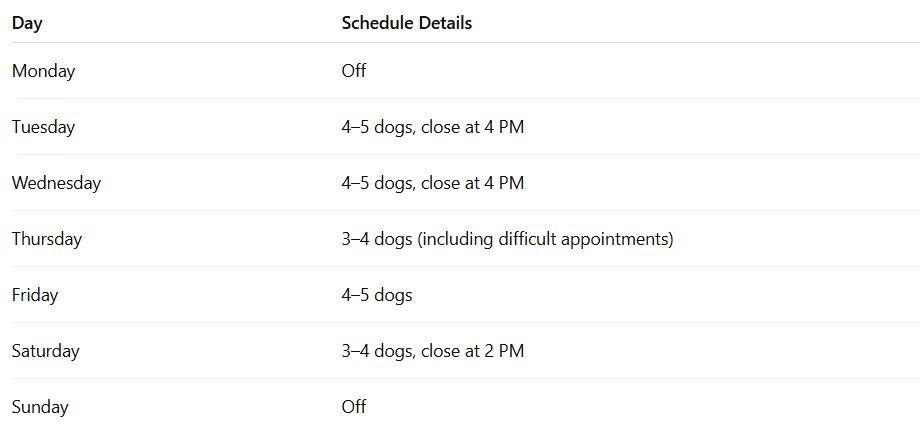
Total: 18–23 dogs per week, two full days off, reasonable daily limits.
Comparing to Unsustainable
Some groomers work 7 days, 8+ dogs daily. Short-term gains, long-term destruction. The math doesn't work over years.
Life Outside Work
Hobbies and Interests
What do you enjoy that isn't grooming? Maintaining interests outside work prevents your identity from collapsing into your job.
Relationships
Family, friends, community. These connections sustain you when work is hard. Invest in them.
Physical Health
Exercise, nutrition, preventive healthcare. Your body is your livelihood. Treat it well.
Mental Engagement
Learning new things, creative pursuits, intellectual stimulation. Keep your mind active beyond grooming.
Rest
Actual rest. Not productive rest. Not rest that accomplishes something. Rest that lets you recover.
Warning Signs
You Might Need to Recalibrate If:
- You dread going to work regularly
- Physical pain is constant
- You're snapping at clients or animals
- Sleep is disrupted by work anxiety
- You can't remember your last vacation
- Personal relationships are suffering
- The thought of another difficult dog feels overwhelming
- You've lost passion for what used to excite you
These warrant serious examination. Not necessarily quitting—but changing something.
Making Changes
Start Small
One additional day off per month. Limiting to one fewer dog per day. Setting one new boundary. Small changes are easier to implement and maintain.
Communicate Changes
Tell clients about new hours or policies. Frame it positively:
"To provide the best service, I'm adjusting my schedule."
Expect Resistance
Some clients won't like changes. That's okay. Not every client fits your sustainable business model.
Be Patient
Balance improves gradually. You won't fix years of overwork in a week. Commit to direction, not immediate perfection.
Frequently Asked Questions
Can I Earn Enough While Working Fewer Hours?
Usually. Raising prices and keeping only good clients often maintains or increases income while reducing workload.
How Do I Tell Clients About Reduced Availability?
Directly and professionally.
"Starting [date], my grooming hours will be [new hours]. This allows me to provide the best possible service to each pet."
What If I Can't Afford to Work Less?
Evaluate why. Are you underpriced? Spending too much? Carrying bad clients? Often the problem isn't working less but working differently.
Is Burnout Reversible?
Yes, with changes. But severe burnout may require significant time away. Better to prevent than to recover.
Should I Feel Guilty About Taking Time Off?
No. Time off makes you a better groomer when you're working. It's not selfish—it's sustainable.