.png)
Client Referral Program for Groomers
Simple referral systems that bring in new business without advertising costs

%20How%20to%20Set%20Up%20a%20Client%20Referral%20Program%20for%20Your%20Grooming%20Business.avif)


Your best marketing doesn't cost money. It's your existing clients telling their friends about you.
Word-of-mouth happens naturally when you do great work. But a referral program systematizes it—giving clients a reason to mention you and a reward when they do.
Here's how to create one that works.
Why Referral Programs Work
Trust transfers
People trust recommendations from friends. An ad says you're great; a friend saying it means something different entirely.
Low acquisition cost
Referral clients cost you the reward (typically a discount) rather than advertising dollars. And they already arrive trusting you.
Better client quality
Referred clients tend to be similar to whoever referred them. Good clients refer good clients.
Built-in loyalty
When a friend recommends you, the new client has social motivation to like you. They want their friend to be right.
Choosing Your Reward Structure
What to reward
Most programs reward both parties:
- Referrer: Gets something for bringing new business
- New client: Gets something for trying you
Rewarding only the referrer feels mercenary. Rewarding both creates mutual benefit.
Reward options
Discounts:
- "$15 off your next groom when you refer a friend"
- "Both you and your friend get 20% off"
Free services:
- "Free nail trim for every referral"
- "Refer 3 friends, get a free bath"
Credits:
- "$20 credit toward any service"
- "Earn points toward free grooming"
Gifts:
- Branded merchandise
- Pet treats or toys
- Gift cards to local pet stores
Which works best:
Discounts and credits are most popular because they're directly valuable and keep clients returning. Gifts work if they're genuinely desirable.
Program Design
Keep it simple
The referral process should be explainable in one sentence:
"Give your friends this card, and you both get $15 off when they come in."
Complicated rules kill participation. If clients need to read fine print, they won't bother.
Make it easy
How do clients refer others? Options:
- Referral cards they hand out
- Unique referral code they share
- Simple "mention [client name] when booking"
- Online link they can text or email
Physical cards work well because clients can hand them directly to friends. Digital codes work for tech-comfortable clients.
Clear tracking
However you do it, you need to know:
- Who made the referral
- Who the new client is
- Whether the referral qualifies
- Whether rewards have been given
Setting Up the Program
Step 1: Define the reward
Choose rewards valuable enough to motivate but sustainable for your business.
Example: "Both referrer and new client get $15 off a full groom."
If your average full groom is $65, that's a 23% discount on each—but the new client relationship could be worth thousands over time.
Step 2: Set qualifying criteria
What counts as a successful referral?
- New client books and completes first appointment?
- New client pays a minimum amount?
- New client was not already in your system?
Be specific to prevent gaming the system.
Step 3: Create referral materials
Physical cards:
- Business card size with referral code or QR
- Clear explanation of the offer
- Your contact information
Digital options:
- Unique link or code per client
- Shareable social media graphics
- Email template clients can forward
Step 4: Train yourself (and staff)
Consistently mention the program:
- When clients check out
- In appointment reminders
- On receipts
- In email signatures
Step 5: Set up tracking
Spreadsheet works for small operations. Note:
- Referrer name
- New client name
- Date of referral
- First appointment date
- Rewards issued to each
Grooming software may include referral tracking features.
Promoting Your Program
In-shop promotion
- Signage at checkout
- Referral cards available
- Staff mentions during checkout
Digital promotion
- Email announcement to existing clients
- Social media posts explaining the program
- Website page with program details
Receipt/confirmation reminders
"Know someone who needs grooming? Give them $15 off and get $15 off your next visit too!"
Anniversary emails
"You've been with us a year! As a thank you, we're doubling your referral bonus this month."
Managing Referrals
When to issue rewards
Options:
- After new client's first appointment (most common)
- After new client's second appointment (ensures they'll return)
- Immediately upon booking (creates commitment)
First appointment completion is the standard—the new client has actually become a client.
How to issue rewards
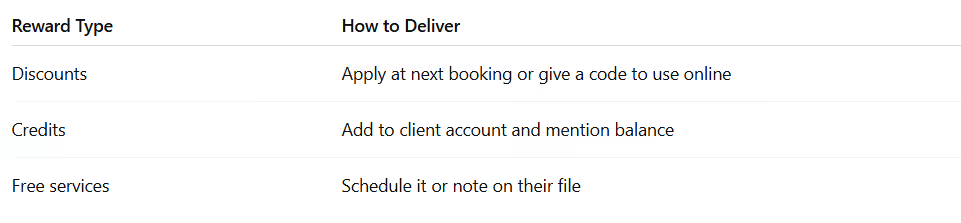
Communicate the reward:
"Great news! [Friend's name] came in yesterday, so you've got $15 off your next visit. Ready to schedule?"
Preventing Abuse
Define "new client"
New clients only—not existing clients booking under different names, not family members who already visit.
Verify the referral
Ask new clients during booking: "Were you referred by one of our clients?" Confirm the referrer's name.
Limit frequency
Some groomers cap referrals per month or per year. This prevents unrealistic gaming while rewarding genuine recommendations.
Watch for patterns
If someone suddenly refers 20 people, investigate. Real referrals trickle in; manufactured referrals come in bursts.
Advanced Referral Strategies
Tiered rewards
Increase rewards based on referral volume:
- 1-2 referrals: $15 off each
- 3-5 referrals: $20 off each
- 6+ referrals: Free groom
Creates incentive to keep referring.
VIP referrer status
Top referrers get special treatment:
- Priority booking
- Exclusive discounts
- Special gifts
Recognition motivates continued behavior.
Seasonal campaigns
Boost referrals during slow periods:
"Double referral bonus through January! Both you and your friend get $30 off."
Community partnerships
Partner with complementary businesses:
- Vet refers to you, you refer to them
- Pet store cross-promotion
- Dog walker partnerships
Tracking Success
Key metrics
- Referrals per month
- Referral-to-booking conversion rate
- Cost per acquired client (reward cost)
- Lifetime value of referred clients
- Top referrers
What the data tells you
- Low referral volume? Program may not be visible or valuable enough.
- Low conversion (referrals don't book)? The offer isn't compelling, or new clients are researching and choosing elsewhere.
Adjusting your program
If referrals are low, try:
- Increasing rewards
- Making referral process easier
- Promoting more actively
- Asking satisfied clients directly
If conversion is low:
- Make the new client offer more compelling
- Follow up with referred leads
- Ensure booking is easy
Asking for Referrals
Timing matters
Ask when clients are happiest—right after a successful groom when they're admiring their dog.
"Doesn't she look great? If you know anyone who'd love results like this, we'd be thrilled if you sent them our way."
Make it natural
Don't beg or pressure. A casual mention works:
"By the way, we have a referral program—if you ever mention us to friends, you both get $15 off."
After compliments
When clients praise your work, that's the perfect moment:
"Thank you! If you know anyone looking for a groomer, we'd love to take care of their pups too."
Frequently Asked Questions
What's a good referral reward amount?
10-20% of a typical service is standard. For a $70 groom, that's $10-15 per referral. It needs to feel meaningful without wrecking your margins.
Should I have an expiration on rewards?
Optional. Expiration creates urgency but can frustrate clients. If you use expiration, give generous windows (6-12 months).
Can I run a referral program without tracking software?
Yes. A spreadsheet and physical referral cards work fine for smaller operations. Track manually until volume justifies software.
What if someone refers a client who never books?
Only issue rewards for completed appointments. The referral only counts when the new client actually comes in.
Should I publicly recognize top referrers?
If they'd appreciate it. Some clients love recognition; others prefer privacy. Ask before posting.