.png)
How to Handle No-Shows at Your Grooming Salon 2026 Guide
Reduce grooming no-shows with deposits, reminders, and cancellation policies clients respect

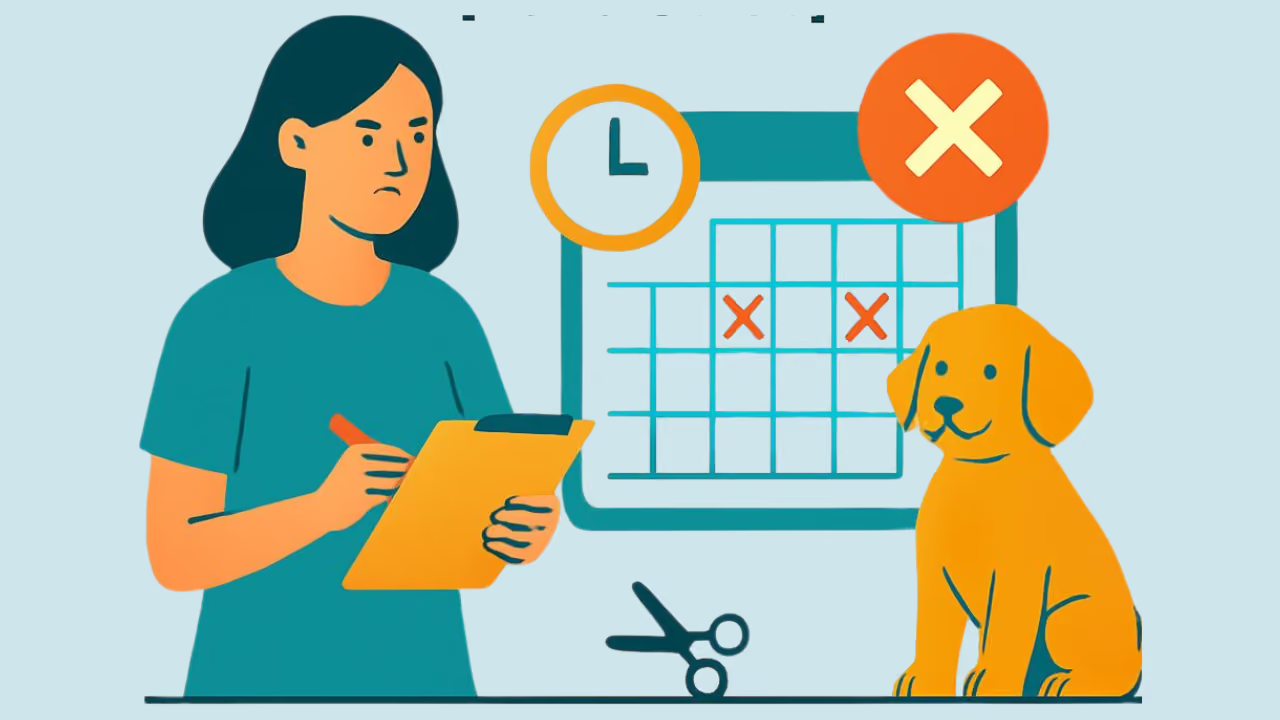


A no-show isn't just an annoying inconvenience — it's a direct hit to your income. If you charge $90 for a full groom and a client ghosts you, that slot is gone. You can't fill it last-minute, and you've already blocked out the time. For a groomer running a tight schedule, two or three no-shows a week can be the difference between a good month and a stressful one.
The good news: most grooming no-shows are preventable. With the right mix of policies, automation, and client communication, you can dramatically reduce them and handle the ones that still slip through without losing control of your schedule.
Why Grooming No-Shows Happen
Understanding the cause makes prevention easier.
Common reasons clients no-show:
- They simply forgot
- A last-minute life issue came up
- They didn’t feel a strong commitment to the booking
- They felt embarrassed about their dog’s condition and avoided the appointment
Most of these aren’t malicious — they’re friction problems. Your system either reminds them, commits them financially, or makes rescheduling easy enough that they don’t just disappear.
Step 1: Set a Clear No-Show and Cancellation Policy
Your policy only works if it’s visible before the appointment is ever booked.
A standard structure looks like this:
- 48+ hours notice: No charge
- 24–48 hours notice: Warning or small fee after repeat offenses
- Under 24 hours: 25–50% of service fee
- No-show (no contact): 50–100% of service fee
Consistency matters more than the exact dollar amount.
Cancellation policy enforcement tools
Most groomers store policies in intake forms or service agreements so clients acknowledge them during booking.
👉 A good reference for structuring this properly:
Dog Grooming Waiver Template: Free + What to Include
Step 2: Collect a Deposit at Booking
Deposits are one of the strongest no-show deterrents.
Recommended approach:
- New clients: always require a deposit
- Repeat offenders: require deposits going forward
- Peak seasons: enforce stricter deposit rules
Even a small deposit ($25–$50) increases commitment significantly.
Deposits can be collected automatically through grooming software. Systems like Teddy allow you to connect payments during booking so clients are financially committed before they ever arrive.
Step 3: Use Automated Appointment Reminders
Most no-shows are preventable with reminders alone.
Ideal reminder sequence:
- 72 hours before: Initial reminder
- 24 hours before: Confirmation request
- Day of appointment: Friendly same-day reminder
The 24-hour confirmation is especially important because it gives you time to refill the slot if needed.
Tools like Teddy automate this entire process so you’re not manually texting clients every day.
Step 4: Make Rescheduling Easy
Some no-shows are actually “silent cancellations” caused by friction.
If clients can’t easily reschedule, they often just disappear.
Fix this by:
- Allowing SMS replies for changes
- Adding reschedule links in reminders
- Responding quickly to booking changes
Platforms like Teddy support unlimited two-way SMS, which makes rescheduling as simple as texting “can we move my appointment?”
Step 5: Track Repeat No-Shows
Not all clients should be treated the same.
Suggested tracking system:
- 1st no-show: warning + reminder of policy
- 2nd no-show: require deposit for future bookings
- 3rd no-show: consider termination
Your calendar is inventory. Protect it like one.
What to Do When a No-Show Happens
A structured response keeps things professional:
- Wait 10–20 minutes past appointment time
- Send a polite check-in text
- After 30 minutes, mark as no-show
- Apply your cancellation policy if applicable
- Keep communication calm and neutral
Example message:
“Hi [Name], we had [Dog Name] scheduled today at [time] but didn’t hear from you. Hope everything is okay! Per our policy, a no-show fee has been applied. Let us know if you’d like to reschedule.”
Cancellation Policy Systems That Support You
Your policy should not live in your head — it should live in your system.
A strong setup includes:
- Signed service agreement
- Digital intake forms
- Automatic policy acknowledgment
👉 Learn how to structure this properly here:
How to Create Digital Intake Forms for Grooming
When to Stop Accepting a Client
Some clients repeatedly ignore policies. At that point, protecting your schedule is more important than keeping them.
A simple exit message:
“Hi [Name], due to repeated missed appointments, we’re no longer able to reserve future bookings for [Dog Name]. We wish you both the best moving forward.”
No emotion. No debate. Just boundaries.
Frequently Asked Questions
What’s a fair no-show fee for grooming?
Most groomers charge between $25 and 100% of the service fee depending on severity. Whatever you choose, it must be clearly stated in your policy and acknowledged before booking.
Should I require deposits from all clients?
It depends on your business model. Many groomers require deposits only for new clients or repeat offenders. Others require them universally to eliminate risk completely.
How do I set up automated reminders?
Grooming software handles this automatically. Platforms like Teddy include built-in reminder systems tied to your booking calendar so messages are sent without manual effort.
Can I charge a no-show fee without a deposit?
Only if you have a card on file and a signed agreement. Without that, collecting payment becomes difficult and inconsistent.
How do I handle upset clients after a fee?
Stay calm, reference your policy, and remain consistent. You can waive it once for goodwill, but repeated exceptions weaken your system.
If you want fewer no-shows, the solution isn’t just stricter rules — it’s better systems. Clear policies, automated reminders, and structured intake processes all work together to protect your schedule and stabilize your income.