.png)
How to Create Grooming Service Packages That Sell
Bundle services into packages clients want—boost ticket value without hard selling tactics

%20How%20to%20Create%20Grooming%20Service%20Packages%20That%20Sell.avif)


Individual service pricing works. But packages can work better.
A well-designed package bundles services clients already want, adds perceived value, and increases what they spend per visit. Done right, packages simplify choices for clients and boost revenue for you.
Here's how to create packages that actually sell.
Why Packages Work
Simplified Decisions
Clients face choice overload when looking at a long service menu. Packages reduce decisions:
"I'll take the Pampered Pup package" is easier than selecting bath, nails, ears, teeth, and add-ons individually.
Increased Spending
Packages naturally include more services than clients might select à la carte. A client who'd normally get just a bath might choose a package that includes nails and ears for slightly more.
Perceived Value
A package priced at $75 that bundles $85 worth of individual services feels like a deal—even though you're still getting paid well.
Predictable Service Time
Packages standardize what you're delivering. Less negotiation, clearer time requirements, smoother scheduling.
Package Design Fundamentals
Start With Your Most Popular Services
Look at what clients already buy together. If 70% of bath clients also get nails done, that's a natural package foundation.
Create Clear Tiers
Three tiers work well:
- Basic: Core service with minimal extras
- Standard: Most popular combination (should be your best seller)
- Premium: Everything included, highest value
Price for Value, Not Just Discount
Don't just add up services and subtract 10%. Consider:
- What's this combination worth to the client?
- What margin do you need?
- What will actually motivate purchase?
Name Them Memorably
Skip generic names. "Gold Package" means nothing. "The Spa Day" or "Fresh & Fluffy" creates imagery and appeal.
Example Package Structures
Bath-Focused Packages
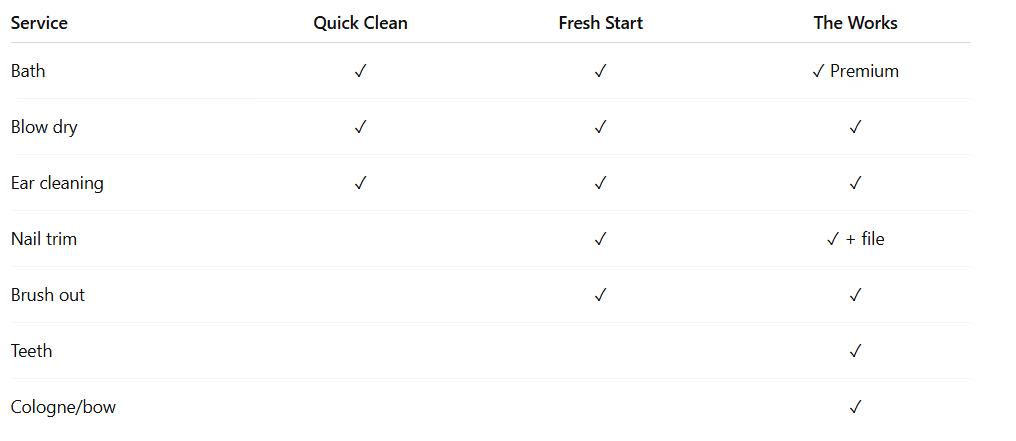
Quick Clean ($35)
- Bath
- Blow dry
- Ear cleaning
Fresh Start ($55)
- Bath
- Blow dry
- Ear cleaning
- Nail trim
- Brush out
The Works ($75)
- Bath with premium shampoo
- Blow dry and fluff
- Ear cleaning
- Nail trim and file
- Brush out
- Teeth brushing
- Cologne/bow
Full Groom Packages
Basic Groom ($65)
- Bath
- Haircut (breed standard)
- Nail trim
- Ear cleaning
Signature Groom ($85)
- Bath with conditioning treatment
- Haircut (any style)
- Nail trim and file
- Ear cleaning
- Teeth brushing
- Paw pad trim
Ultimate Groom ($115)
- Everything in Signature
- De-shedding treatment
- Premium shampoo
- Facial trim detail
- Cologne and bandana
- Photo session
Pricing Your Packages
The Value Calculation
Add up individual service prices. This is your "if purchased separately" price—the anchor for perceived value.
Discount Range
Typical package discount: 10–20% off individual pricing. Enough to feel like a deal, not so much that you hurt margins.
Example Math
Individual prices:
- Bath: $40
- Nails: $15
- Ears: $10
- Teeth: $15
- Total: $80
Package price: $68 (15% discount)
Client saves: $12
Your revenue: Still strong, plus they're getting services they might have skipped.
Margin Check
Calculate your cost (time, supplies) for each package tier. Ensure adequate margin remains after discount.
Package Presentation
Menu Design
List packages prominently—before or alongside individual services. Visual hierarchy should guide clients to packages first.
Comparison Format
Show what's included at each tier. Checkmarks or icons make comparison easy.
Highlight the Middle Tier
Most clients choose the middle option. Make it your best combination of value and margin.
Selling Packages
At Booking
"Would you like just the bath, or our Fresh Start package which includes nails and ears for just $20 more?"
On Your Website
Feature packages with clear descriptions of what's included and who it's best for.
During Checkout
"For your next visit, the Ultimate Groom package would give you everything Bella got today plus the de-shedding treatment—and you'd save $15."
Avoid Hard Selling
Present options, let clients choose. Pressure tactics backfire with repeat clients.
Seasonal and Limited Packages
Holiday Specials
Create themed packages around holidays:
- "Holiday Ready" before Christmas
- "Spring Fresh" for shedding season
- "Summer Cool" with cooling treatments
Seasonal Needs
- Winter: Moisturizing treatments for dry skin
- Spring: De-shedding focus
- Summer: Flea prevention add-ons
- Fall: Coat conditioning
Limited Time Creates Urgency
"Available through December 15" motivates booking. But don't overuse—constant "limited time" loses meaning.
Puppy and Senior Packages
Puppy Packages
- Shorter services appropriate for puppies
- Introduction pricing to build habits
- Emphasis on positive experience
Example:
"Puppy's First Groom" – Mini bath, gentle nail trim, ear cleaning, lots of treats and patience. $35.
Senior Packages
- Accommodations for older dogs
- Gentle handling emphasis
- Comfort-focused services
Example:
"Golden Years Groom" – Extended time, orthopedic mat, gentle handling, basic groom with warm towel therapy. $75.
Membership-Based Packages
Monthly Memberships
Client pays monthly fee, receives package services at set intervals.
Example:
"$89/month includes one full groom plus unlimited nail trims between visits."
Benefits
- Predictable revenue
- Client commitment
- Regular scheduling
Considerations
- Tracking what's used
- Managing unused benefits
- Cancellation policies
Tracking Package Performance
What to Measure
- Package adoption rate (% of clients choosing packages vs. à la carte)
- Revenue per visit (packages should increase this)
- Most popular package tier
- Conversion rates when packages are suggested
Adjusting Based on Data
Low adoption? Packages may be priced wrong or poorly presented.
Everyone choosing cheapest tier? Middle tier needs better value proposition.
Nobody choosing premium? It may be overpriced or include services nobody wants.
Common Mistakes
Too Many Options
Three to four packages is plenty. More creates decision paralysis.
Poor Naming
"Package A, B, C" doesn't sell. Names should evoke the experience.
Discounting Too Heavily
Packages should add value, not slash your margins. 25%+ discounts hurt profitability.
Including Services Nobody Wants
Don't pad packages with filler services. Every inclusion should be genuinely valuable.
Not Training Staff
Everyone who talks to clients should understand packages and present them consistently.
Frequently Asked Questions
Can Clients Substitute Services in a Package?
Your choice. Strict packages are simpler to manage. Flexible packages please clients but complicate pricing and scheduling.
Should I Offer Packages for All Dog Sizes?
Size-based pricing still applies. Either create size tiers within each package or price packages by size category.
What If a Client Only Wants Part of a Package?
Offer the individual services at regular prices. Packages are an option, not a requirement.
How Often Should I Update Packages?
Review quarterly. Major changes annually. Keep what works, adjust what doesn't.
Should Packages Replace Individual Services?
No. Some clients prefer à la carte. Offer both and let clients choose.