.png)
Building a Long-Term Career in Pet Grooming
How to build sustainable practices that keep you grooming long-term

%20Building%20a%20Long-Term%20Career%20in%20Pet%20Grooming.avif)


Some groomers work for 30 years. Others last three. The difference isn't just talent—it's sustainability.
A long grooming career requires attention to physical health, business practices, mental well-being, and ongoing growth. The choices you make early affect how long you can do this work.
Here's how to build a career that lasts.
The Longevity Challenge
Physical reality
Grooming is hard on bodies. Repetitive motions, standing, lifting, awkward positions. Without care, bodies break down.
Common physical struggles:
- Back pain
- Carpal tunnel syndrome
- Shoulder problems
- Knee and foot issues
- Hearing damage (from dryers)
Mental reality
Emotional labor, difficult clients, business stress. Without management, mental health suffers.
Industry exit
Many groomers leave the industry within 5–10 years. Some by choice, many because they can't physically continue. This isn't inevitable—it’s the result of unsustainable practices.
Physical Sustainability
Ergonomic equipment
Invest in tools that protect your body:
- Hydraulic tables at proper height
- Anti-fatigue mats
- Ergonomic scissors and tools
- Quality dryers (hearing protection helps)
- Grooming arms that reduce reaching
Cost matters less than longevity. Quality equipment pays for itself in career years.
Body mechanics
How you move matters as much as what tools you use:
- Keep dogs at appropriate height
- Use your legs, not your back
- Avoid overreaching
- Change positions regularly
- Take stretching breaks
Learn proper techniques and practice them consistently.
Regular exercise
Grooming demands physical fitness. Maintain:
- Core strength (protects back)
- Upper body strength (arms fatigue less)
- Flexibility (prevents strain injuries)
- Cardiovascular health (energy sustenance)
Regular exercise isn't optional for long careers—it's required.
Recovery time
Bodies need time to recover from physical work. Adequate sleep, proper days off, vacations. Recovery is part of sustainability.
Early intervention
When something hurts, address it. Physical therapy, massage, medical attention when needed. Small problems treated early stay small.
Mental Sustainability
Boundaries
Work has limits. Personal life has space. Boundaries protect both.
Define when you work, when you don't, and enforce that division. Clients who respect boundaries stay; those who don't shouldn't.
Stress management
Find what helps you manage stress:
- Exercise
- Meditation
- Time in nature
- Creative outlets
- Social connection
Build stress management into your routine, not as emergency response.
Perspective
Bad days happen. Difficult dogs exist. Complaints arrive. These are parts of the job, not personal failures or existential threats.
Maintaining perspective prevents every problem from becoming a crisis.
Support systems
People who understand your work—other groomers, supportive family, professional support if needed. You don't have to process everything alone.
Purpose connection
Why do you groom? What meaning does this work have? Connecting to purpose sustains motivation through difficult periods.
Business Sustainability
Pricing for longevity
Your prices must support:
- Reasonable work volume
- Adequate income
- Time for rest and recovery
- Business investment
Underpricing requires overworking. Overworking shortens careers. Price appropriately.
Client quality
Not all clients are worth having. Bad clients accelerate burnout. Good clients make work enjoyable.
Curate your client base. Release clients who drain you. Attract and retain those who appreciate your work.
Workload limits
How many dogs can you groom sustainably? That's your limit. Not "as many as possible" but "as many as wise."
Limits preserve capacity. Capacity enables longevity.
Systems and efficiency
Work smarter, not harder. Systems that reduce administrative burden, automation that handles routine tasks, processes that streamline operations.
Every efficiency preserves energy for what matters.
Financial stability
Stable finances reduce stress:
- Emergency savings
- Retirement planning
- Insurance coverage
- Debt management
Financial security creates space for sustainable decisions.
Career Evolution
Skill development
Continuous learning keeps work interesting and valuable:
- Advanced techniques
- New breed knowledge
- Specialty certifications
- Business skills
Growing skills prevent stagnation and increase earning potential.
Role transitions
Your role can evolve over time:
- Owner/operator to owner/manager
- Full-time grooming to partial grooming with teaching
- Solo work to running a team
- Salon work to consulting or education
Career longevity doesn't mean doing exactly the same thing for decades.
Diversification
Multiple income streams reduce pressure on any single one:
- Grooming services
- Training others
- Product sales
- Education/speaking
- Consulting
Diversification also provides variety that prevents monotony.
Exit planning
Eventually you'll stop grooming. Planning for that transition:
- Retirement savings
- Business transition or sale planning
- Development of skills beyond grooming
Don't wait until you're forced to stop to think about what comes next.
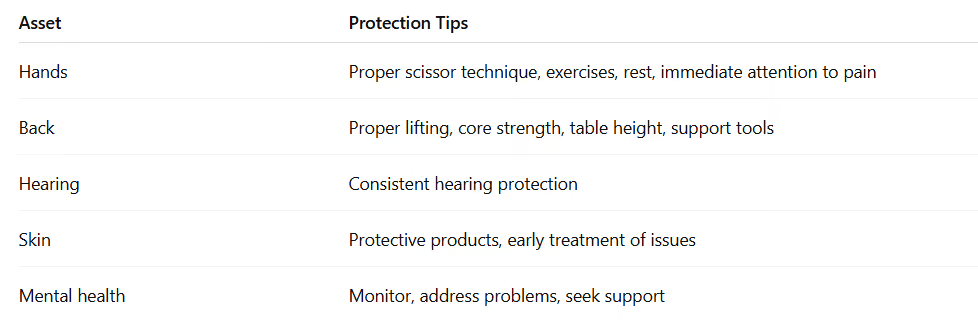
Protecting Your Assets
Building Support Structures
Professional community
Connections with other groomers provide:
- Advice and problem-solving
- Emotional support
- Industry knowledge
- Career opportunities
Invest in professional relationships.
Personal support
Family and friends who understand your work and support your wellbeing. People who help you decompress and maintain perspective.
Professional help
Doctors, physical therapists, mental health professionals. Use them proactively, not just in crisis.
Business advisors
Accountants, attorneys, business coaches. Professional advice for professional decisions.
Warning Signs
Physical warnings
- Constant pain
- Frequent injuries
- Declining strength or mobility
- Numbness or tingling
Mental warnings
- Dreading work constantly
- Chronic stress or anxiety
- Feeling trapped
- Loss of all enjoyment
Business warnings
- Financial struggles despite hard work
- Growing resentment toward clients
- Decreasing quality of work
- Inability to take time off
These signals require attention, not dismissal.
Making It Work Long-Term
Daily practices
- Stretching and movement
- Proper hydration and nutrition
- Breaks and pacing
- Clean work practices
Weekly practices
- Days off (real ones)
- Physical activity
- Social connection
- Stress release
Monthly practices
- Business review
- Physical assessment
- Goal check-in
- Self-care focus
Annual practices
- Extended time off
- Career assessment
- Health checkups
- Goal setting
Consistent sustainable practices compound over time.
Frequently Asked Questions
How long can a grooming career realistically last?
With sustainable practices, 20–30+ years is achievable. Without them, 5–10 years is common before physical problems force changes.
At what age should groomers retire?
No set age. Depends on health, desire, and ability. Some groom into their 70s; others need to stop earlier. Listen to your body.
Can you groom part-time long-term?
Yes. Reducing hours as you age is a valid strategy. Part-time preserves income while reducing physical demands.
What if I'm already experiencing problems?
Address them now. Modify practices, seek treatment, make changes. Problems don't improve with denial.
Is salon work or mobile work more sustainable?
Each has trade-offs. Salon work often has better ergonomics; mobile work often has more control over schedule. Neither is inherently more sustainable—practices matter more than setting.