.png)

%20Essential%20Grooming%20Business%20Equipment%20What%20You%20Actually%20Need.avif)


Walk into any grooming equipment showroom, and you'll see $50,000 worth of gear you could buy—hydraulic tables with every feature, tubs that practically wash dogs themselves, dryers so powerful they could launch small dogs into orbit.
You don’t need most of it, at least not to start. This guide separates essentials from nice-to-haves and helps you identify quality versus overpriced items.
The Core Equipment
These are non-negotiable items you genuinely can’t operate without.
Grooming Table
- Why you need it: Stable surface to work safely.
- Options: Folding tables ($100–200) to electric hydraulic tables ($1,500–3,000).
- Starter pick: Good electric table ($400–600). Stability, height adjustment, and a secure grooming arm matter most.
- Avoid: Cheap wobbling tables, no grooming arm, weak lift mechanisms.
Grooming Tub
- Why you need it: Essential unless mobile-only. Walk-in tubs ($1,000–3,000) easiest on your body. Traditional tubs ($500–1,500) require lifting.
- Get: Stainless steel, adequate size, proper drainage.
- Avoid: Tubs too small, plastic that cracks, poor drainage.
Dryers
- High-velocity dryers ($200–500): Workhorses.
- Stand dryers ($300–600): Hands-free drying. Optional initially.
- Avoid: Cheap, overheating, non-adjustable, or extremely loud dryers.
Clippers
- Professional clippers ($150–350): Cordless freedom plus corded backup.
- Get: Workhorse brands (Andis, Wahl, Oster), variety of blades.
- Avoid: Underpowered clippers, hard-to-find blades, consumer-grade models.
Shears
- Good shears ($100–300 per pair): Reduce wrist fatigue, improve cut quality.
- Starter set: Straight, curved, thinning shear.
- Upgrade: Higher-quality shears as budget allows.
Blades
- Starter set: #7, #10, #15, #30, #40, plus longer comb attachments.
- Budget tip: Buy what you need; expand as your clientele requires.
Secondary Equipment
Important but flexible in timing and selection.
Bathing System
- Handheld sprayer ($100–300): Adjustable pressure and temperature.
- Optional: Recirculating systems ($500–1,500) for efficiency.
Clipper Vacuum
- Optional ($200–400): Reduces cleanup, nice-to-have but not essential.
Nail Equipment
- Clippers ($15–30) essential; grinders ($30–100) preferred. Styptic powder mandatory.
Ear Cleaning Supplies
- Solutions, cotton balls, hemostats. Basic and inexpensive.
Restraints and Safety
- Grooming loops, belly straps, muzzles. Essential for safety.
Where to Save Money
- Furniture & decor: Functional and clean; no designer pieces needed.
- Basic supplies: Bulk generic cotton balls, towels, spray bottles.
- Cleaning equipment: Basic mops, buckets, vacuums.
- Secondary blades: Buy essential blades first; specialty blades later.
- Storage solutions: IKEA or hardware store shelving works fine.
Where to Spend More
- Clippers: Quality lasts years, frustrates less.
- Primary shears: Frequent use justifies investment.
- Main dryer: Efficient drying saves time.
- Table: Stability and ergonomics protect your body.
- Tub: Solid tub avoids water damage and lasts decades.
New vs. Used Equipment
Safe to Buy Used
- Tables (check stability)
- Tubs (check for cracks, drainage)
- Stand dryers (inspect motor, airflow)
- Cages, crates, furniture
Buy New
- Clippers (motor reliability)
- Shears (alignment matters)
- Handheld dryers (high failure rate)
- Motors you can’t inspect
Where to Find Used
- Grooming Facebook groups
- eBay, Craigslist (careful)
- Shops going out of business
- Equipment resellers
Tip: Always test before buying—bring dogs, run dryers, check for rust, wobble, and wear.
Starter Budget Breakdown
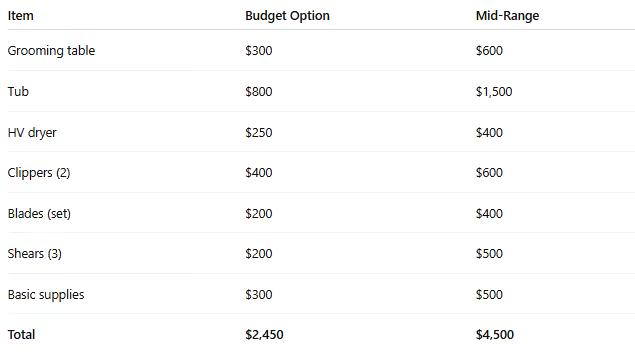
Essential Equipment (Minimum)
Nice-to-Haves
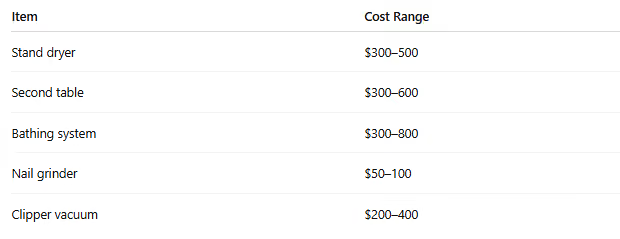
Starting lean: $3,000–5,000 is enough to start. Better setup: $6,000–10,000. Avoid $20,000 purchases before paying clients.
Equipment Maintenance
Daily:
- Oil blades, clean shears, wipe tables, clear dryer filters, sanitize tools
Weekly:
- Deep clean tubs, inspect blades, check table stability, clean cords
Monthly:
- Sharpen blades, inspect dryer, check electrical cords, service failing equipment
Blade Care: Clean, oil, store properly; sharpen every 6–8 weeks.
When to Upgrade
Clippers
- Overheating, loss of power, blades insecure, inconsistent cuts
Dryers
- Decreased airflow, overheating, loud noises, slow drying
Tables
- Wobbling, failing lift mechanism, damaged surfaces
Shears
- Edge issues, fatigue, visible damage or misalignment
Rule: Equipment costing time or quality pays for itself when replaced.
Avoiding Equipment Regret
- Buying too much too soon: Start minimal, expand as needs arise.
- Chasing unused features: Don’t pay for options you won’t use.
- Ignoring ergonomics: Protect your body; cheap tables can hurt.
- Not trying before buying: Test at shows, demos, or friends’ shops.
- Forgetting accessories: Budget for complete setup (blades, grooming arm, etc.).
Financing Equipment
- Savings: Best—no interest, no obligations.
- Equipment financing: Supplier plans; calculate total cost.
- Credit cards: Only if you can pay off quickly.
- Business loans: SBA or local banks; requires plan and credit.
- Lease-to-own: Preserves cash but often costs more overall.
Recommendation: Start with what you can afford outright; finance only after revenue is consistent.
Frequently Asked Questions
How much should I budget to start?
- Minimal setup: $3,000–5,000
- Complete setup: $5,000–10,000
- Full multi-station shop: Double those numbers
What brand of clippers is best?
- Andis, Wahl, Oster. Test before buying; personal preference develops with use.
How often do blades need sharpening?
- Every 4–8 weeks with regular use. Dull blades pull hair and irritate skin.
Is a hydraulic table worth it?
- High-volume shops: yes. One-person operations: electric lift table is fine.
Should mobile grooming equipment differ?
- Needs to be compact, lightweight, durable. Vehicle-specific considerations: power supply, water systems.